Australia might be a big country – and the only one with its own continent all to itself – but that doesn’t stop its inhabitants moving all over it. I have a Torres Strait Islander friend who lives in the South of Tasmania – her distant origins might be on one set of islands to the far North, but now she lives on a different island at the opposite end of the continent. My parents moved from Brisbane to Tasmania, in one of those classic moves of the 1950s, as nation-building jobs ramped up. That means I can’t escape at least some of my Queensland background.
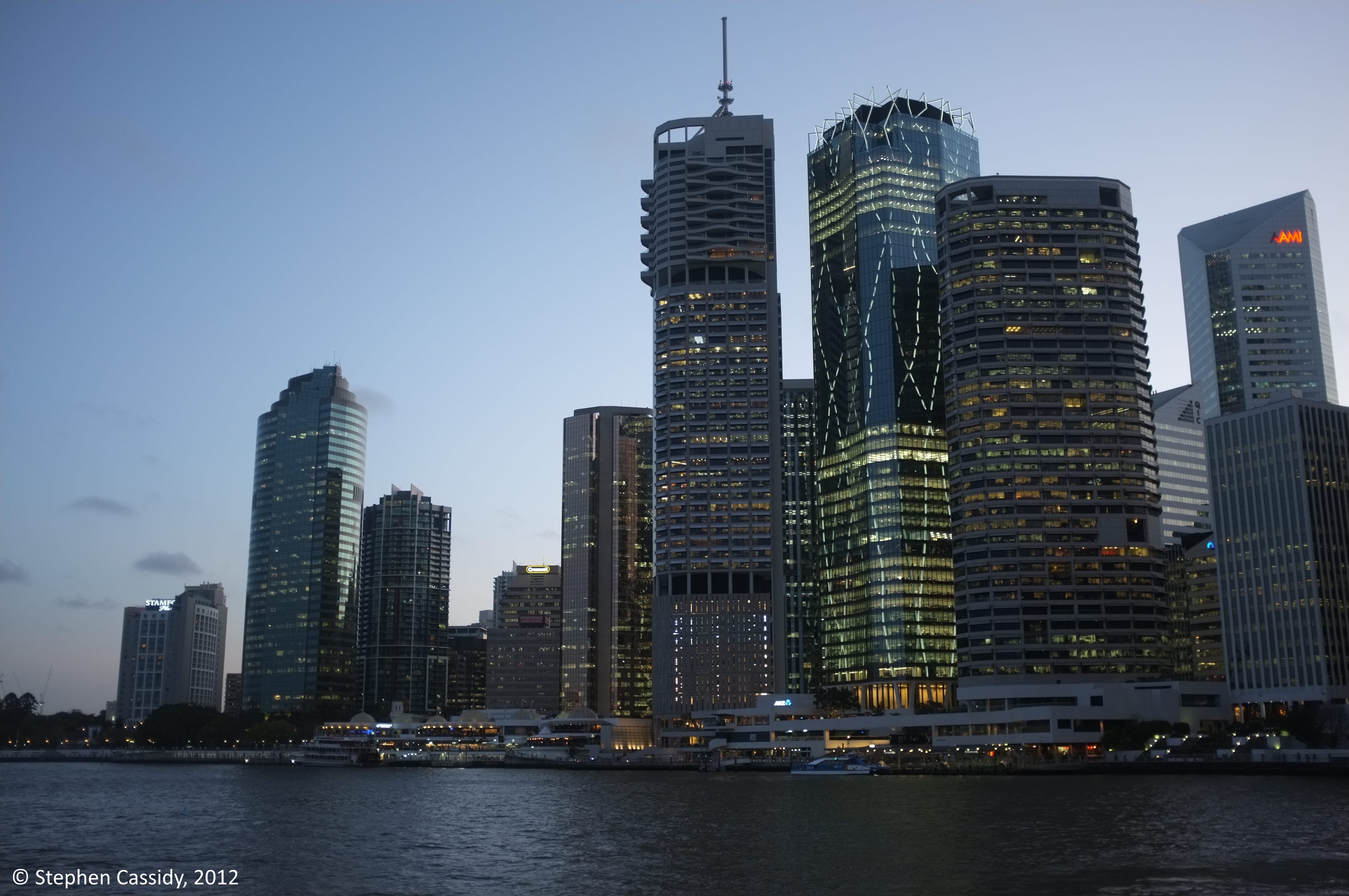
Brisbane at night from one of its impressive ferries.
Bridges hadn’t been invented yet
As a child growing up in Tasmania to parents who had migrated southwards from Brisbane, Queensland was a constant presence. For a start all our relatives lived there. Every Christmas we would pile into our car and head North. Heading North sounds easy but it involved boarding a ferry from Devonport to Melbourne.
As a child growing up in Tasmania to parents who had migrated southwards from Brisbane, Queensland was a constant presence. For a start all our relatives lived there. Every Christmas we would pile into our car and head North. Heading North sounds easy but it involved boarding a ferry from Devonport to Melbourne.
‘Australia might be a big country – and the only one with its own continent all to itself – but that doesn’t stop its inhabitants moving all over it. I have a Torres Strait Islander friend who lives in the South of Tasmania – her distant origins might be on one set of islands to the far North, but now she lives on a different island at the opposite end of the continent.’
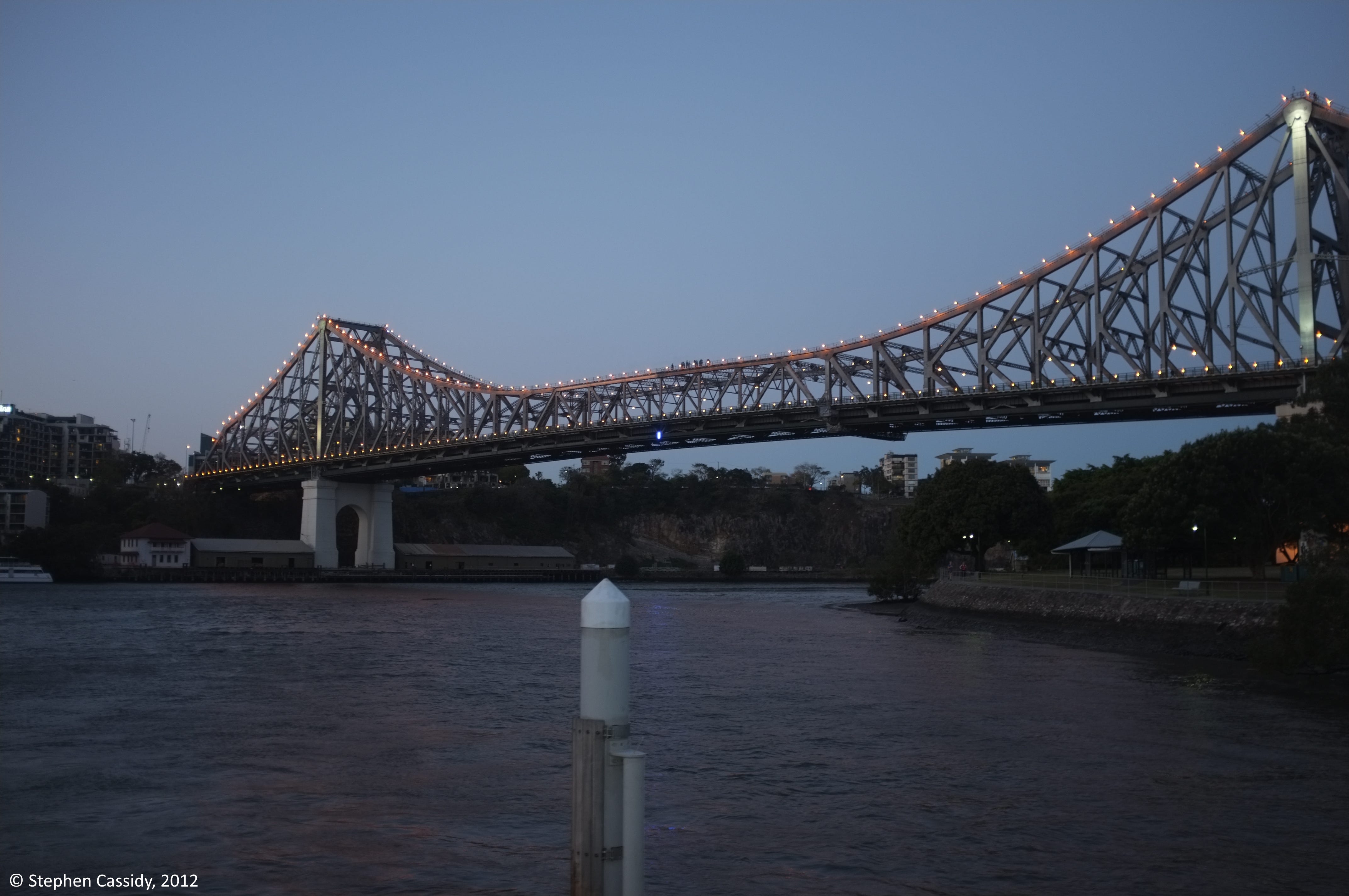
The Story Bridge - like most ageing bridges wear and tear requires restoration work, just like the Commonwealth Avenue Bridge in Canberra, built for the traffic of an earlier era.
Then it involved a string of smaller ferries, as we crossed river after swollen river in Northern NSW. These now all have bridges, but in the 1950s and 1960s bridges hadn’t yet been invented. The cry ‘Dad are we there yet?’ was invented by my 1950s family. I loved staying in motels (there were a lot) and tiny packets of everything – though mainly breakfast cereal.
‘Every Christmas we would pile into our car and head North. Heading North sounds easy but it involved boarding a ferry from Devonport to Melbourne. Then it involved a string of smaller ferries, as we crossed river after swollen river in Northern NSW.’
In terms of Australian history, Queensland is probably one of the most important states of all and if you are planning to travel there you need to know. My Queensland roots have prompted to me to think about it. If you want to understand Queensland history, there are at least five very different things it helps to know about – the Killing Times, the Ballad of 1891, the Red North, the Brisbane Line and the Battle of Brisbane.
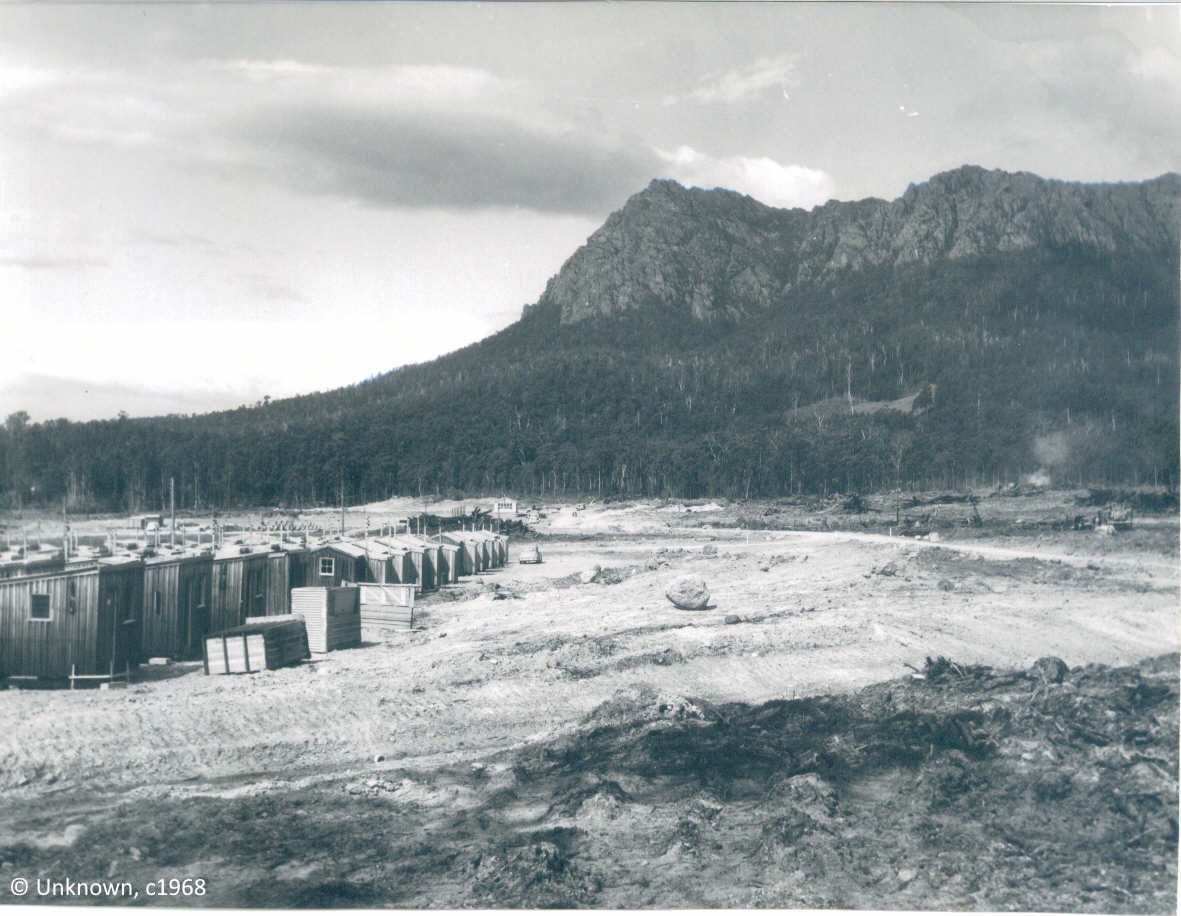
If you don’t live in Queensland, you can always move to an island at the other end of the continent - Gowrie Park, one of the (many) places I grew up.
The massacre of the original inhabitants of Australia was bad everywhere, painstakingly mapped out for us in a systematic database of colonial frontier killings. In Queensland it was particularly bad. The Killing Times mark a period during the expansion of the Queensland frontier when mass killings of Aboriginal people became everyday. Conservative estimates suggest that in the latter half of the nineteenth century, nearly 50,000 Aboriginal people were killed at the hands of the well-armed Queensland Native Police or in private killings by white settlers. Fewer in number, though worth remembering as a pointer for the future, were those who instead chose to come to terms with the local people.
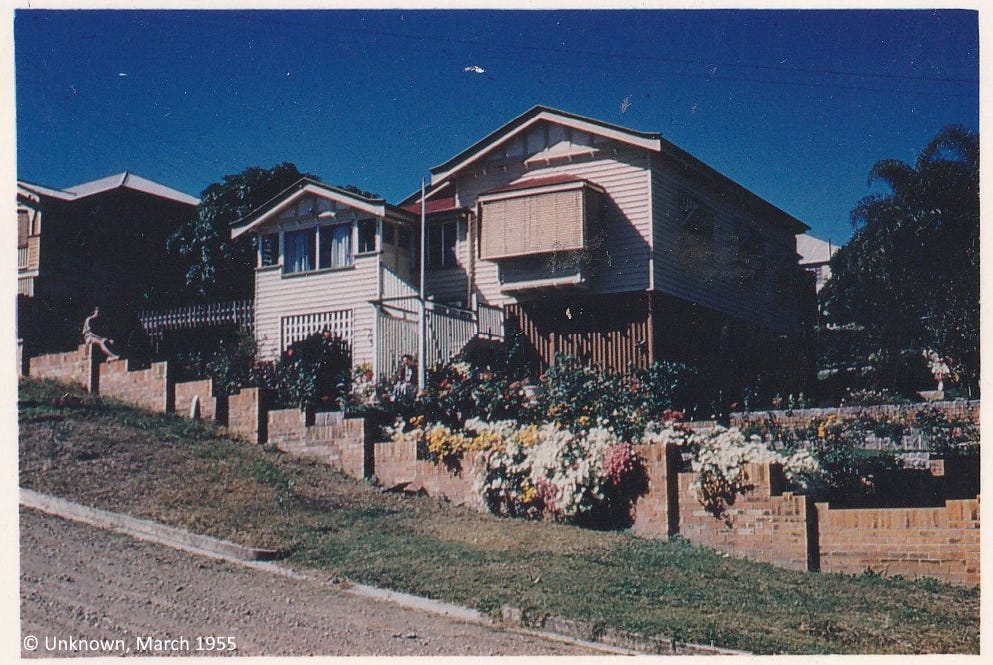
My grandparent’s house in Empress Terrace, Bardon in Brisbane, where my mother grew up. Every Christmas without fail the whole family clambered into whichever Holden we owned at that point and sailed then drove from Tasmania to the mainland and then to Brisbane. It took forever and involved crossing numerous wide rivers on ferries before we arrived.
The Ballad of 1891 was written in 1950 about one of the greatest strikes in Australian history, an event where the scale of the confrontation and the organisation of the armed strikers was unprecedented, potentially bringing Australia as close to civil war as it ever came.
The Red North defies the notion that Queensland has always been a reactionary hotbed for people like Bjelke-Petersen and Pauline Hanson. In the 1930s the area around Townsville was full of Italian refugees from the Mussolini regime and it was a communist stronghold, electing the only Communist member to ever sit in an Australian parliament.
The Brisbane Line is part of the folklore of Australia. It was a purported plan to abandon all of Australia North of Brisbane to the Japanese in the event of an invasion. While there was definitely an intention to focus defence on the main areas of population and industry, the Brisbane Line never seemed to have been more substantial than an idea. Personally I think it was a great idea, with or without a Japanese invasion.
I like to think fondly of the Battle of Brisbane as a two-day live fire encounter between Americans and Australian troops, that erupted in November 1942, but in reality it seems to have started with Australian troops defending Americans from over-zealous US Military Police. It involved thousands of Australians and led to one Australian death and many other casualties on both sides.
The American troops were paid twice what Australian troops received, had ready access to attractive luxuries from their canteens, were well-dressed and polite to women. That inevitably led to resentment, summed up by a succinct description in Britain at the time as ‘over-paid, over-sexed and over here’. Interestingly one commentator noted that black American troops commented that they were better treated by Australians than by their own compatriots.
Queensland is a big state with a bigger history. It pays to know that history if you venture north, travelling light into the sunshine.
© Stephen Cassidy 2026
See also
‘Last week I found myself stranded up in the roof, with the lift out. Mostly lift outages last a few hours at most, but this was several days, including a weekend. Luckily I have broadband connectivity and a coffee machine, so I can potentially hardly ever leave my apartment. Up here in the hanging gardens of babble on, I keep peering at our strange world and its goings on – wondering when, if ever, it will come to its senses. To survive the century I’m focusing on being lateral, not literal, in my thinking – unlike most of our esteemed leaders. I’m sure that will help’, Stranded in the roof with the lift out – being lateral, not literal.
Two seconds of fame – walking the talk for wellness
‘Even though I doubt I could live in Sydney again, I always become excited when I visit. We’ve just come back from a quick trip there – on the train this time. There was a tiny flurry of media excitement as we left because some upgrades had been promised for the train and the Chief Minister was visiting. The ABC interviewer asked me for my comments, so I waxed lyrical about train travel – my two seconds of fame’, Two seconds of fame – walking the talk for wellness.
‘Even though I doubt I could live in Sydney again, I always become excited when I visit. We’ve just come back from a quick trip there – on the train this time. There was a tiny flurry of media excitement as we left because some upgrades had been promised for the train and the Chief Minister was visiting. The ABC interviewer asked me for my comments, so I waxed lyrical about train travel – my two seconds of fame’, Two seconds of fame – walking the talk for wellness.
Horror stories for children – but wait there’s more
Cooling seasons and war in the air
Sheep graziers warning replaced by heat wave alert – reading books, drinking tea and reading tea leaves
‘The little city that serves Australia as a capital is tucked up in the mountains far from any coastline, even though in a strange historical quirk it actually has a coastline at Jervis Bay. Yet to reach the South Coast of New South Wales, below the swollen city where Australia’s official European history began, takes hardly any time at all. It’s much more drawn out heading down the coast from Sydney, through the great Sydney sprawl past Wollongong and beyond. The South Coast is an entirely different universe to the capital’, A different universe lapped by waves.
‘Horror stories for children– once there was a group of religious extremists that couldn’t fit in anywhere. They travelled to another continent and started to kill all the native inhabitants. To celebrate stealing their land the newcomers threw a feast called. Then they burned some witches and discovered slavery. It all went downhill from there. But wait there’s more. It’s hasn’t been all bad’, Horror stories for children – but wait there’s more.
Thinking twice – about everything
‘Any sensible person might think twice about travelling overseas at the moment, given that the US has been bombing Iran. However, I realised that there has never been a moment in living memory since the 1953 coup in Iran where the US hasn’t been bombing or invading someone, hasn’t recently bombed or invaded someone or isn’t planning to bomb or invade someone. Though, as one commentator pointed out, the last war they won was World War 2, and that was with the help of others. Maybe it’s best to treat it as situation normal, simply ignore it and get on with your life’, Thinking twice – about everything.
‘Any sensible person might think twice about travelling overseas at the moment, given that the US has been bombing Iran. However, I realised that there has never been a moment in living memory since the 1953 coup in Iran where the US hasn’t been bombing or invading someone, hasn’t recently bombed or invaded someone or isn’t planning to bomb or invade someone. Though, as one commentator pointed out, the last war they won was World War 2, and that was with the help of others. Maybe it’s best to treat it as situation normal, simply ignore it and get on with your life’, Thinking twice – about everything.
‘The cool of the changing seasons is in the air and apples are on the table. For me the months of stone fruit are like Christmas – well they are Christmas, along with fruit mince tarts of course – but nothing lasts for ever. Luckily, though, it comes back again a year later. Right now what’s come back are apples. All the apples at the Farmers Market early this morning were new season. That’s good because war is in the air and we seem to be surrounded by things falling apart, so ongoing certainties are reassuring’, Cooling seasons and war in the air.
Stumbling over ghosts in an art gallery
‘We seem to be creeping towards the colder weather. Still with the daily news full of America revisiting its 1953 coup in Iran who has time to think about the weather? In between catching up with old friends, we’d just driven back from one of my favourite spots in Australia – the Thredbo Valley – and now it was time to return to furnishing our home. Someone once commented that inhabiting a modernist house would be like living in an art gallery and I thought I’d like to live in an art gallery. For many decades I carted around some old silk screen prints from my time in Adelaide. We finally decided to get one of them framed after all those decades and cities’, Stumbling over ghosts in an art gallery.
I'm never leaving home again – well, except to travel
‘I’ve made a couple of big decisions. I’ve decided that it’s better to be a Chardonnay socialist than a Riesling reactionary. I’ve also decided that given the state of the world – despite all the good things going on that we never hear about, it seems to be balancing between mediocrity, incompetence and plain greed and lust for power – I’m never leaving home again…well, except to travel’, I'm never leaving home again – well, except to travel.
‘I’ve made a couple of big decisions. I’ve decided that it’s better to be a Chardonnay socialist than a Riesling reactionary. I’ve also decided that given the state of the world – despite all the good things going on that we never hear about, it seems to be balancing between mediocrity, incompetence and plain greed and lust for power – I’m never leaving home again…well, except to travel’, I'm never leaving home again – well, except to travel.
Guides to a fiery future – it was only a matter of time
'It was only a matter of time. It seems such a long time ago that we moved from bushfires to pandemic and watched as a wave of disease and stupidity swept the world and the country. Now the bushfires are back – the stupidity as well. Did we ever think they wouldn’t be?', Guides to a fiery future – it was only a matter of time.
‘Today I popped out to get coffee and to visit the library, which just reopened after the break. They are the only things that would tempt me out of the apartment in this weather. Instead of the normal sheep graziers alert we get in Canberra, today we have a heat wave alert. Today is 33 degrees, then tomorrow is 35, the next day 37 and then Friday will be 39. Originally there were going to be three days in a row where the temperatures reached 39, so I’m thankful that’s changed. I feel as though I am living in Adelaide again, but it’s probably even hotter there’, Sheep graziers warning replaced by heat wave alert.
Lurching to a halt at the end of the year
‘For some reason Christmas reminds me of a play by Jean-Paul Sartre called ‘Huis Clos’, named after the French equivalent of an in camera trial or closed courtroom. It’s about three people who have died, locked together awaiting judgement in a crowded room for eternity. It’s the origin of Sartre’s famous line ‘hell is other people’. But it’s not the idea of hell that Christmas reminds me of, but the fact that at Christmas, especially on Boxing Day, the world suddenly lurches to a halt’, Lurching to a halt at the end of the year.
A different universe lapped by waves‘For some reason Christmas reminds me of a play by Jean-Paul Sartre called ‘Huis Clos’, named after the French equivalent of an in camera trial or closed courtroom. It’s about three people who have died, locked together awaiting judgement in a crowded room for eternity. It’s the origin of Sartre’s famous line ‘hell is other people’. But it’s not the idea of hell that Christmas reminds me of, but the fact that at Christmas, especially on Boxing Day, the world suddenly lurches to a halt’, Lurching to a halt at the end of the year.
‘The little city that serves Australia as a capital is tucked up in the mountains far from any coastline, even though in a strange historical quirk it actually has a coastline at Jervis Bay. Yet to reach the South Coast of New South Wales, below the swollen city where Australia’s official European history began, takes hardly any time at all. It’s much more drawn out heading down the coast from Sydney, through the great Sydney sprawl past Wollongong and beyond. The South Coast is an entirely different universe to the capital’, A different universe lapped by waves.
Walking with ghosts
‘Increasingly people I have known for a long time seem to be dying. In fact my generation is steadily starting to disappear. Who is replacing them? We shuffle along in a world that is unravelling, a world – that for both good and bad – our generation gave birth to. We are teetering in a strange balance between building on the achievements of the past and desperately trying to dismantle them. In many countries, the current generation is poorer than the previous one, upending generations of dreams by working class parents and migrants for a better life for their children. In this time of upheaval – both welcome and unwelcome – creativity is needed like never before’, Walking with ghosts.
On the rails again – a trip about the past and the future
I'm on the road again – well, on the rails again. On Monday I caught the slow train from Canberra to Sydney, and today I’ve woken up to a third morning in Surry Hills. I’m enjoying the days in Sydney – after all, I did live here for twelve and a half years. I’m mainly here to see the Yolngu Power exhibition at the Art Gallery of NSW, which finishes next week, but I’m also using the trip to see to other business’, On the rails again – a trip about the past and the future.
I'm on the road again – well, on the rails again. On Monday I caught the slow train from Canberra to Sydney, and today I’ve woken up to a third morning in Surry Hills. I’m enjoying the days in Sydney – after all, I did live here for twelve and a half years. I’m mainly here to see the Yolngu Power exhibition at the Art Gallery of NSW, which finishes next week, but I’m also using the trip to see to other business’, On the rails again – a trip about the past and the future.
Looking down on dire predictions
‘I see the latest report on looming climate change has some pretty dire predictions – like a future of four times the length of heatwaves, up to five times as many deaths due to extreme heat, a massive drag on productivity, 1.5 million Australians at risk of coastal flooding and a potential half trillion dollar hit to property values by 20250 – and that’s just the good news’, Looking down on dire predictions.
‘I see the latest report on looming climate change has some pretty dire predictions – like a future of four times the length of heatwaves, up to five times as many deaths due to extreme heat, a massive drag on productivity, 1.5 million Australians at risk of coastal flooding and a potential half trillion dollar hit to property values by 20250 – and that’s just the good news’, Looking down on dire predictions.
Marching with the Nazis – as un-Australian as it gets
'I’m still shocked by the marches and rallies around the country opposing immigration. Everyone involved says mass immigration, but it’s clear in practice they mean most immigration – and definitely all immigration by people who aren’t white, or as I like to say, ‘pink’. Here I am travelling through my own homeland once again and, at times, it seems like a foreign country – not because of immigrants but because of those who have grown up here. Those taking part in these marches probably have genuine grievances, but they have picked the wrong target to blame and, in the process, have been steered into becoming in effect neo-Nazi fellow travellers. We are (almost) all immigrants here, only just starting to genuinely come to grips with this country', Marching with the Nazis – as un-Australian as it gets.
Self-imposed lockdown – hanging around home
'For all their faults and disadvantages there were some positive sides to the pandemic lockdowns. As I often say, ‘good times’ – maybe my memory isn’t what it was. I realise that I planned and prepared for so long to move to an apartment and now I am here I keep discovering more and more things I like about it. I could stay home and read and write and never leave it, just popping down to the shops when I need supplies – perhaps it’s a case of self-imposed lockdown', Self-imposed lockdown.
Essen, trinken, tanzen – aber nicht rauchen
‘From time to time my posts on ‘travelling light’ include references to restaurants we have eaten at or enjoyable places we have stayed. However, most of my regular writing about food, produce, restaurants and places we have stayed is on one of my blogs, tableland, which I describe as: ‘Food and cooking land to table – the daily routine of living in the high country, on the edge of the vast Pacific, just up from Sydney, just down from Mount Kosciuszko’, Essen, trinken, tanzen – aber nicht rauchen.
‘From time to time my posts on ‘travelling light’ include references to restaurants we have eaten at or enjoyable places we have stayed. However, most of my regular writing about food, produce, restaurants and places we have stayed is on one of my blogs, tableland, which I describe as: ‘Food and cooking land to table – the daily routine of living in the high country, on the edge of the vast Pacific, just up from Sydney, just down from Mount Kosciuszko’, Essen, trinken, tanzen – aber nicht rauchen.
Cooking minestrone in an art gallery – pineapple fruit cake, hot soup and art on a cold day
‘In winter my mind turns to food, but since it is never turned away from art, cooking and looking manage to fill in the cooler months – or maybe that’s all months. I haven’t made hand-made pasta for a while but I have made sushi and sashimi – though only once in recent memory – as I resurrect all my food traditions. Cooking, eating and cruising around art exhibitions – that’s winter for me’, Cooking minestrone in an art gallery - pineapple fruit cake, hot soup and art on a cold day
‘In winter my mind turns to food, but since it is never turned away from art, cooking and looking manage to fill in the cooler months – or maybe that’s all months. I haven’t made hand-made pasta for a while but I have made sushi and sashimi – though only once in recent memory – as I resurrect all my food traditions. Cooking, eating and cruising around art exhibitions – that’s winter for me’, Cooking minestrone in an art gallery - pineapple fruit cake, hot soup and art on a cold day
Winter markets in a creative city
'The winter we had to have (and could have hoped for) finally arrived on the Southern Tablelands. We have gone back to going to the Farmers Market every week. To add to the winter sun good news arrived. For over ten years we worked to have Canberra listed as a UNESCO Creative City of Design, part of a global network of creative cities. Finally the ACT Government announced that it intended to take the bid forward – and that it had allocated funding for it, the true sign of a government being serious. It’s always a pleasure to help initiate a worthwhile endeavour, but even more of a pleasure to look back ten years later and see that it has been a roaring success in more ways than one', Winter markets in a creative city.
Speaking in tongues
‘Where I live a statue of French maritime hero, La Pérouse, looks out over the suburb as though to say: this, too, could have been France. For a period it seemed everyone who went to school in Australia studied French. Perhaps it was a belated attempt to acknowledge how much better everything would have been if the French had got here first. As I like to say whenever I’m in France, ‘j’ai étudié le Français pendant six ans à l’école’ and I would like to have had more opportunity to use that knowledge', Speaking in tongues.Looking down on birds
'While the world unravels and some gleefully repeat the mistakes of the past, life goes on in gardens everywhere. I remember that in the Roman Empire, if a change of regime occurred, soldiers, recognising that they were also farmers, would often retire for a time to their farm - until circumstances and duty called them back. Some wit commented that what is happening now is like the fall of the Roman Empire, but with wi-fi', Looking down on birds.
Back in the days when we travelled
'Back in the days when we travelled, I used to post news of my trips to Facebook, so my friends could follow my exploits overseas. For a long time it has been apparent that Facebook has issues, so back in 2019 I set up this blog 'Travelling light' to replace my Facebook posts. However, in the end I decided to stay with Facebook, so this blog was never used', Back in the days when we travelled.
Travelling light by being still
'As I've said repeatedly, I don't have any problem with flying, it's landing and taking off I don't like – and all the logistics in-between. I have few problems with lounging around for hours and on a flight, you get to sit still while people bring you food and drink. How much better does it get?', Travelling light by being still.
Abandoning the world of work
'When I left full-time work over ten years ago, I was asked what I intended to do. Once I no longer had distractions, like work – fun though it was at the time – it was clear that I would definitely have some time on my hands. I replied that I planned to keep up with my friends and to travel – when I wasn't gardening, cooking, reading or writing. It sounded like a fine plan at the time and as things panned out, it was a fine plan', Abandoning the world of work.


